

Spring into Action! Essential Vehicle Maintenance After Winter
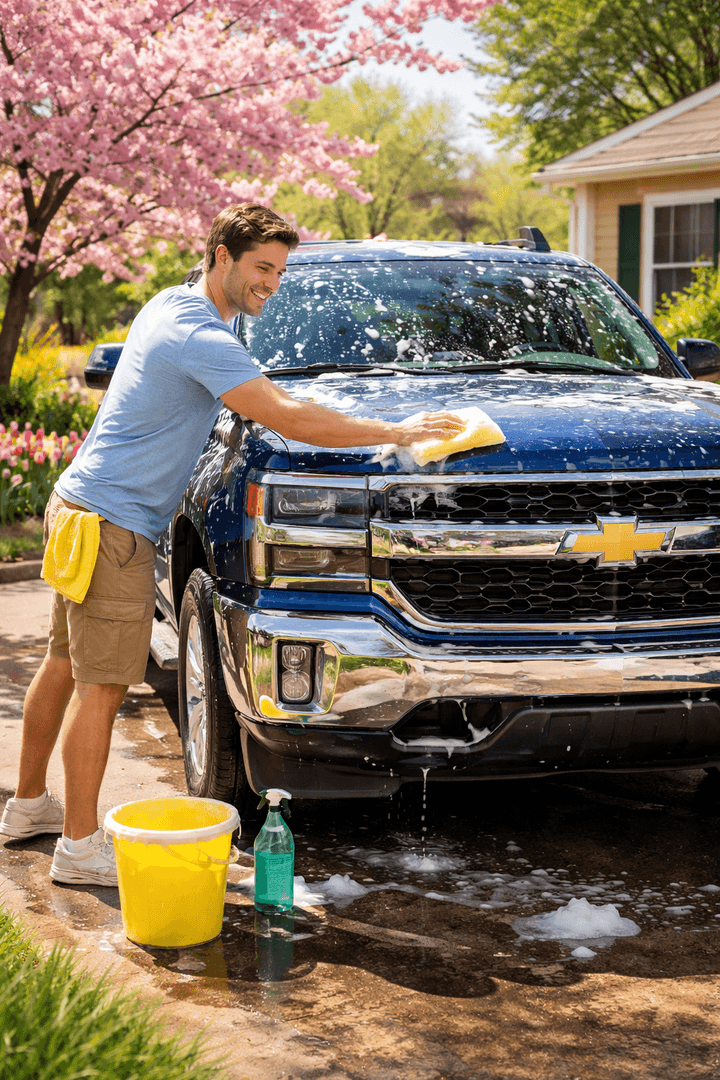 As the last remnants of winter give way to the refreshing embrace of spring, it’s not just our wardrobes and routines that need a seasonal adjustment – our vehicles do too! The harsh conditions of winter, from freezing temperatures to salt-laden roads, can take a toll on your car. Giving your vehicle a little post-winter TLC will not only ensure its longevity but also keep you safe and your rides smooth as the weather warms up.
Here’s a comprehensive guide to preparing your car for the springtime:
1. Wash Away Winter’s Grime (Especially the Salt!)
Winter roads are often treated with salt and de-icing chemicals, which are notorious for causing rust and corrosion on your vehicle’s undercarriage and body.
- Thorough Exterior Wash: Give your car a good wash, paying close attention to the areas where salt tends to accumulate. Consider a car wash that offers an undercarriage rinse.
- Wax On: After washing, apply a fresh coat of wax to protect the paint from spring showers and summer sun.
2. Check Your Tires: Pressure and Tread Are Key
Temperature fluctuations impact tire pressure, and winter driving can wear down your treads.
- Tire Pressure: As temperatures rise, so does the air pressure in your tires. Check your tire pressure when the tires are cold and adjust them to the manufacturer’s recommended PSI (found on a sticker inside your driver’s side door jamb or in your owner’s manual).
- Tread Depth: Insert a penny into a tire groove with Lincoln’s head upside down and facing you. If you can see the top of Lincoln’s head, your treads are too shallow, and it’s time for new tires.
- Rotation and Alignment: Spring is a great time to get your tires rotated and your alignment checked. This helps ensure even wear and a smoother ride.
3. Inspect Your Wiper Blades
Winter’s ice and snow can wreak havoc on wiper blades, making them less effective when those inevitable spring showers arrive.
- Check for Cracks and Tears: Run your hand along the rubber edge of your blades. If you feel any nicks, tears, or hardening, it’s time for a replacement.
- Test Them Out: Give your wipers a test run with some washer fluid. If they leave streaks or chatter across the windshield, replace them.
4. Top Up Your Fluids
Your car’s fluids are its lifeblood, and winter can impact their levels and effectiveness.
- Engine Oil: Check your oil level and clarity. If it’s dark and sludgy, consider an oil change.
- Washer Fluid: Refill your windshield washer fluid reservoir. Consider using a spring/summer formula that helps remove bug splatters.
- Coolant/Antifreeze: While it’s called “antifreeze,” this fluid also prevents your engine from overheating. Check its level and condition.
- Brake Fluid & Power Steering Fluid: Check these levels as well, referring to your owner’s manual for proper checking procedures.
5. Give Your Brakes a Listen and Look
Winter driving can be harsh on your braking system.
- Listen for Noises: Pay attention to any squealing, grinding, or clicking noises when you brake. These are signs that your pads might be worn.
- Visual Inspection: If you’re comfortable, visually inspect your brake pads for wear. If you notice they are thin, get them checked by a professional.
6. Battery Check-Up
Cold weather is particularly hard on car batteries, reducing their capacity.
- Clean Terminals: Check for corrosion on your battery terminals (a white, powdery substance). You can clean this with a battery terminal brush and a baking soda and water solution.
- Test Voltage: If you have a multimeter, you can check your battery’s voltage. If it’s below 12.4 volts, it might be time for a new battery.
7. Inspect Belts and Hoses
Extreme temperature changes can cause rubber components to become brittle or crack.
- Look for Cracks: Visually inspect all belts and hoses under the hood for any signs of cracks, fraying, bulges, or leaks.
- Feel for Hardening: Squeeze hoses to feel for any abnormal hardness or softness, which can indicate deterioration.
8. Don’t Forget Your Air Filter!
A clean air filter is crucial for optimal engine performance and fuel efficiency.
- Check Condition: Remove your air filter and hold it up to a light source. If you can’t see light through it, or if it’s heavily soiled, it’s time for a replacement.
Taking the time to perform these post-winter maintenance checks will not only help your car recover from the rigors of the cold season but also prepare it for the warmer months ahead. A well-maintained vehicle is a safer, more reliable, and more enjoyable vehicle. Happy spring driving!
